
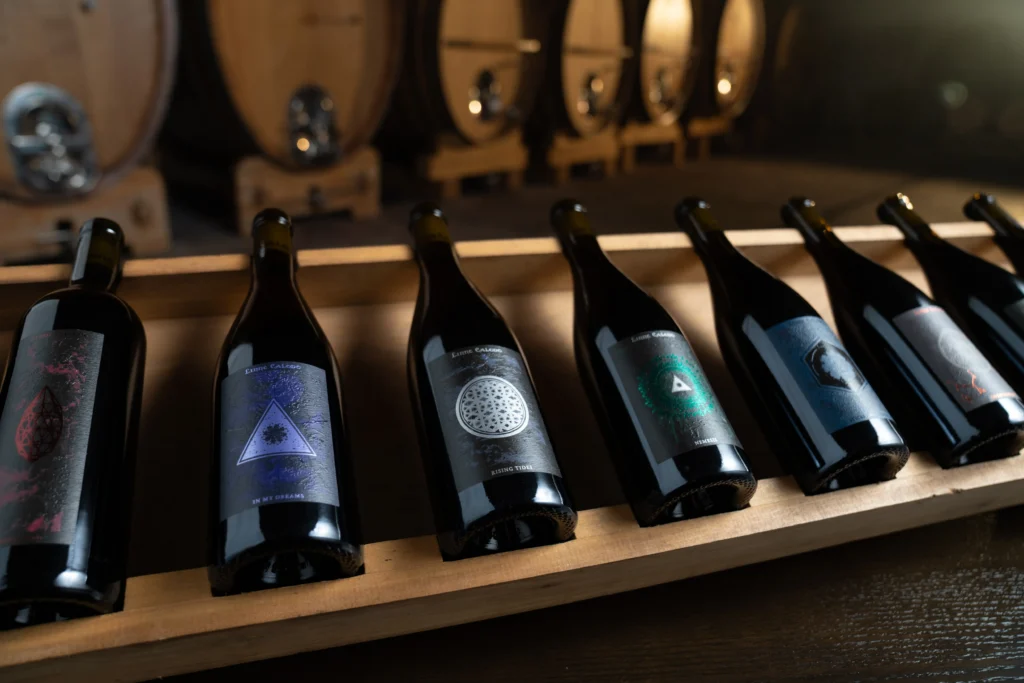
Selecting a red wine that suits your palate can be challenging, given the variety available. A good red wine balances four key elements: acidity, tannins, alcohol, and fruit flavor. In quality wines, no single component dominates. Complexity and a long finish also signal careful craftsmanship and the use of high-quality fruit.
Whether shopping locally or visiting the Willow Creek District in Paso Robles, focus on the core qualities of balance, length, and intensity. Effective selection goes beyond labels and requires recognizing the harmony between vineyard and winemaking.
Core Principles of Red Wine Selection
- Balance is King: Quality is measured by how well tannins, acidity, and alcohol harmonize.
- Terroir Matters: Great wines reflect their origin, such as the limestone soils of Westside Paso Robles.
- Intentionality: Look for “nature-positive” or minimal intervention practices that preserve the grape’s character.
- Selection: Match the wine’s body (light vs. bold) to the occasion and the meal.
- Structure: Understand that tannins provide the “skeleton” of the wine, while acidity provides the “nerve.”
1. The Anatomy of Quality: Balance and Structure
The most important factor in a good wine is structural balance, not price. An unbalanced wine may taste overly alcoholic, lack acidity, or have harsh tannins. Achieving balance requires attentive winemaking.
The Role of Tannins
Tannins are polyphenols found in grape skins, seeds, and stems. In premium red wines, they create a smooth structure rather than a harsh, drying effect. Research shows that allowing grapes to reach full ripeness produces high-quality tannins, a characteristic of bold Paso Robles blends where the climate promotes supple tannins.
Acidity and Freshness
Even the boldest reds require acidity to provide “lift.” Without it, the wine tastes heavy and dull. In the Willow Creek District, the dramatic diurnal shift, hot days followed by cool Pacific breezes, allows grapes to develop deep sugars while retaining the natural acidity necessary for a crisp, clean finish. This natural acidity acts as a preservative, allowing the wine to age gracefully.
2. Complexity and the “Long” Finish
Generic wines often have a single, simple flavor, such as grape or oak. In contrast, expressive red wines reveal layers of flavor, such as dark cherry, earthy notes, and hints of pepper or cocoa.
Complexity: This stems from the vineyard’s diversity and the age of the vines. Old vines often produce fewer clusters, but those clusters are packed with more nuanced flavor compounds.
The Finish: The time the flavor lasts after swallowing. High-quality wines typically linger for 10 to 30 seconds or more, indicating greater extract and density.
3. The Importance of Terroir and “Nature-Positive” Farming
The best red wines reflect their origin, a concept known as terroir. At Linne Calodo, the rocky, limestone-rich soils impart a distinct mineral character to Rhône-style blends that cannot be replicated artificially.
Research indicates that dry-farming and minimal intervention encourage vine roots to grow deeper, resulting in smaller, more concentrated berries. This approach produces wines that authentically represent their environment. Avoiding chemicals preserves natural yeast populations, allowing for spontaneous fermentations and greater complexity.
4. How to Recognize a Quality Red Wine
Selecting wine is personal, but understanding a few key indicators can help you identify bottles with greater balance, character, and craftsmanship.
Identify Your Preferred Body
If you enjoy light, floral wines, look for Cinsault or Grenache-heavy blends. If you prefer bold and expressive, seek out Syrah or Zinfandel-based blends.
Check the Alcohol Content
Higher alcohol (14.5%+) often indicates a riper, more fruit-forward wine typical of California’s sun-drenched hills. Lower alcohol (12–13.5%) usually suggests a leaner, more earthy profile.
Evaluate the Bottle Weight and Label
While not a guarantee, artisanal producers often use high-quality glass and provide detailed information about the specific “District” (e.g., Willow Creek) or “Vineyard” (e.g., Cherry Vineyard).
Avoid Generic Marketing Terms
Be cautious of bottles that use vague phrases like “world-class” without specific vintage details. Instead, seek out labels with personalized stories and clear farming designations.
5. Food Pairing: Enhancing the Experience
A good red wine should complement your meal. Aim to create harmony between the food and the wine.
- High Tannin Reds (Syrah, Mourvèdre): Pair with rich proteins and fats, like a ribeye steak or aged cheddar. The fats bind to the tannins, reducing astringency and making the wine taste fruitier.
- High-Acid Reds (Grenache, Zinfandel): Pair with tomato-based pasta dishes, roasted poultry, or Mediterranean flavors. The wine’s acidity matches the food’s, preventing it from tasting flat.
FREQUENTLY ASKED QUESTIONS
How much should I spend on a good bottle of red wine?
While price does not always indicate quality, wines priced between $40 and $100 often reflect the higher labor costs of sustainable, hand-harvested viticulture and low-yield farming. At this level, you are investing in greater complexity and aging potential.
Does a “good” wine have to be aged?
Not always. Many modern blends are crafted for immediate enjoyment, offering vibrant fruit and approachable tannins. However, high-quality reds with strong structure can develop additional complexity over five to ten years.
What is the best way to store my wine after selection?
Store wine in a cool, dark place at a consistent temperature, ideally between 55°F and 58°F. Avoid vibration and direct sunlight, as they can affect the wine’s quality. Consistency in temperature is more important than the precise degree, as fluctuations can damage the cork.
What does “minimal intervention” mean?
Minimal intervention means the winemaker relies on the fruit’s quality. By limiting the use of chemicals, additives, and heavy oak, the wine authentically reflects the vineyard’s vintage and soil. This approach values simplicity to highlight natural character.
Why are blends so popular in Paso Robles?
Blending enables winemakers to combine different grape varieties for balance and complexity. For example, Grenache adds bright fruit, Syrah contributes structure and color, and Mourvèdre imparts an earthy finish. This method creates a wine that is more complex than any single variety alone.
Discover the Authenticity of Paso Robles
At Linne Calodo, we encourage you to explore the Willow Creek District and experience our wines firsthand. Our tastings offer a personalized introduction to Winemaker Matt Trevisan’s nature-positive philosophy.
Regardless if you are an experienced enthusiast or new to wine, we invite you to visit us on Vineyard Drive to taste our handcrafted blends. Experience how limestone soils and the Pacific breeze shape our wines.